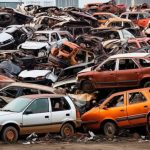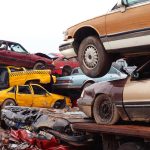

When a vehicle reaches the end of its useful life, turning it into quick cash is a smart financial move. If you are looking for top dollar from services that offer Cash For Cars in Newark, NJ, you might wonder exactly how salvage yards and buyers calculate their offers. Junk car valuation does not rely on Kelly Blue Book values or standard dealership metrics. Instead, buyers look at a specific set of raw materials, operational components, and local market factors to determine a fair price. Understanding these variables ensures you get the maximum return for your old asset.
The Weight and Scrap Value of the Steel
The single most influential factor in determining a junk vehicle’s baseline price is its overall weight. When a vehicle is beyond repair, its value is tied directly to the current market price of scrap metal, particularly steel and iron.
Larger vehicles, such as full-size SUVs, heavy-duty trucks, and passenger vans, naturally command higher prices simply because they contain more tons of recyclable metal. Conversely, compact sedans and hybrid vehicles yield less raw material. Because scrap metal commodities fluctuate daily based on global supply and demand, the exact same vehicle could be worth slightly more or less depending on the month you decide to sell it.
Year, Make, and Model Demands
While weight establishes the absolute minimum price floor, the specific year, make, and model can push the payout significantly higher. Professional auto salvage yards do not just crush cars; they harvest functional parts to resell to mechanics and DIY enthusiasts.
If you own a vehicle model that is incredibly popular or prone to specific part failures, the demand for its components skyrockets. Even if the body is completely rusted, working engine parts, intact transmissions, and reliable alternators from a highly sought-after vehicle model will dramatically increase the final offer.
The Current Condition of Key Components
The overall state of the vehicle plays a massive role in the final calculation. When analyzing how to sell a non-running vehicle, buyers assess whether the automobile is completely totaled, missing major parts, or still capable of starting up.
A vehicle that still drives, or at least has an intact powertrain, holds significantly more value than a completely stripped shell. Salvage professionals look closely at high-value components under the hood. If your car has a functional engine, a smooth transmission, or an unblemished catalytic converter, you possess substantial leverage during negotiations.
Valuable Precious Metals and Special Parts
Beyond the standard iron and steel framework, old cars contain rare and highly valuable materials. The most notable of these is found inside the catalytic converter, which uses precious metals like platinum, palladium, and rhodium to filter exhaust gases.
The presence of an original, factory-installed catalytic converter can instantly add hundreds of dollars to a junk car quote. Additionally, expensive components like alloy wheels, high-capacity hybrid batteries, and functional GPS or infotainment systems can be refurbished and sold separately. If a vehicle has already been stripped of these premium components, its value drops strictly to its base scrap weight.
Location and Towing Logistics
Where the vehicle is located and how it will be transported heavily influence the final payout. Towing a vehicle requires specialized flatbed equipment, fuel, and labor. If the vehicle is parked far away from the recycling facility, the cost of transport will be deducted from your final offer.
Choosing a local scrap car buyer that includes complimentary towing as part of their service package is crucial to maximizing your profit. Trusted vehicle recycling networks, such as Cash For Any Car, often provide free removal services, ensuring that the quote you receive over the phone or online is the exact amount of cash put into your hand upon pickup.
Clear Title Ownership documentation
Finally, the administrative status of your paperwork dictates whether you can sell the vehicle for its full potential. Having a clean, valid certificate of title in hand dramatically increases your options and the final payout.
While some salvage operators can process older vehicles using alternative registration paperwork, a missing title limits how the buyer can legally process or resell the vehicle. A clear title proves unencumbered ownership, allowing the buyer to instantly process the vehicle without navigating lengthy legal hurdles or state DMV delays.
By keeping your title secure, assessing the structural completeness of your automobile, and choosing an established vehicle removal specialist like Cash For Any Car, you can easily navigate the salvage market. Understanding these critical valuation factors allows you to confidently negotiate the best possible cash deal for your junk vehicle.